
Human Rights Law in Pakistan – Legal Framework, Challenges, and Future Direction
Introduction Human rights law in Pakistan is an essential component of the country’s constitutional and legal system, aiming to protect fundamental freedoms, dignity, and equality for all citizens. Like many developing nations, Pakistan faces complex challenges in balancing state security, social traditions, and international human rights obligations. The evolution of human rights law in Pakistan […]
Introduction
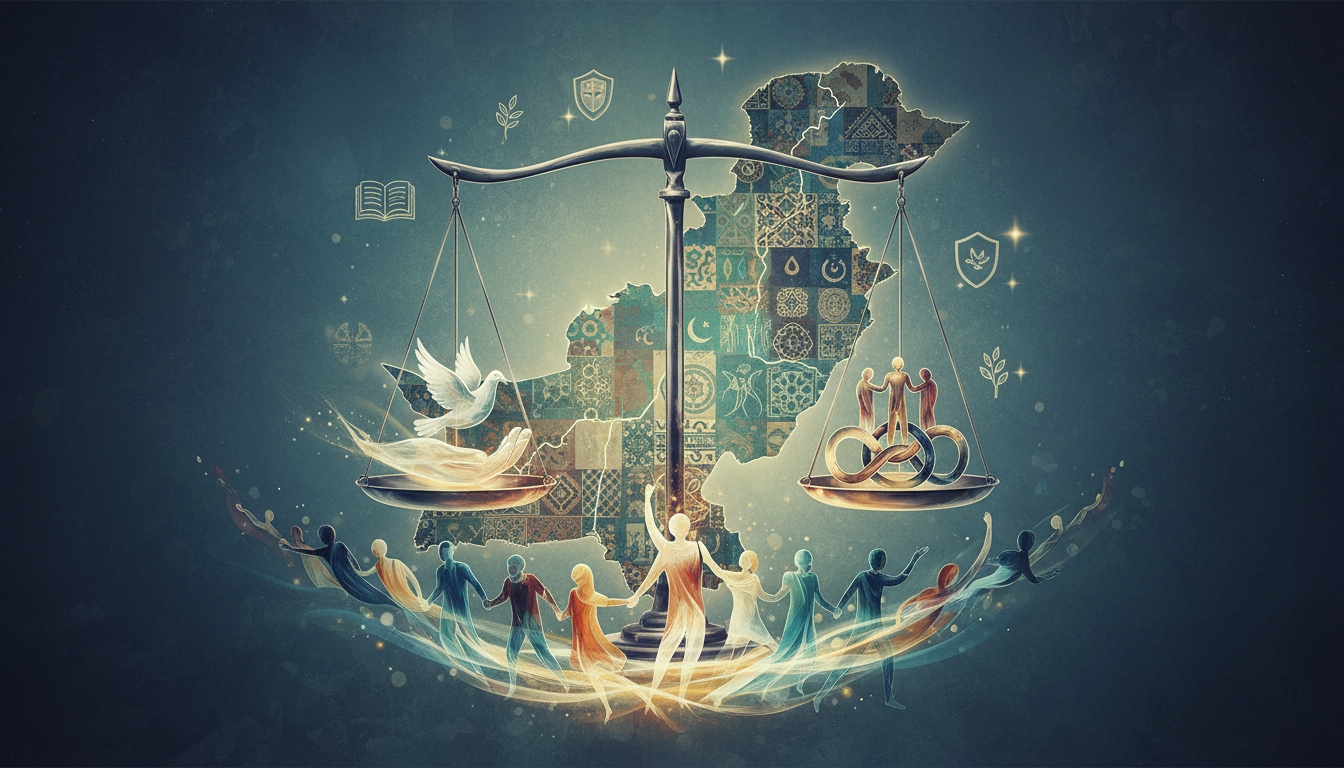
Human rights law in Pakistan is an essential component of the country’s constitutional and legal system, aiming to protect fundamental freedoms, dignity, and equality for all citizens. Like many developing nations, Pakistan faces complex challenges in balancing state security, social traditions, and international human rights obligations. The evolution of human rights law in Pakistan has been influenced by constitutional provisions, judicial interpretations, and international human rights standards.
The legal foundation of human rights protection in Pakistan is primarily derived from the Constitution of Pakistan and the jurisprudence developed by the judiciary, including the Supreme Court of Pakistan. Additionally, organizations such as Human Rights Watch frequently monitor human rights conditions in the country.
This article explores human rights law in Pakistan, including constitutional safeguards, legal reforms, major challenges, and future prospects of human rights protection in Pakistan.
Constitutional Foundation of Human Rights Law Pakistan
Fundamental Rights Under the Constitution of Pakistan
The Constitution of Pakistan provides detailed protection of fundamental rights through several articles that safeguard civil liberties, equality, and personal freedom.
Key fundamental rights include:
- Right to life and liberty
- Freedom of speech and expression
- Freedom of religion
- Equality before the law
- Protection against unlawful detention
- Right to fair trial
Articles 8 to 28 of the Constitution are particularly significant in shaping human rights law in Pakistan. These provisions ensure that no law can violate fundamental rights unless justified under constitutional limitations.
The judiciary plays a vital role in enforcing these rights. Courts in Pakistan frequently use constitutional interpretation to protect individual freedoms and ensure the delivery.
Role of Judiciary in Protecting Human Rights
The judicial system, especially the superior courts, has expanded the scope of human rights protection through landmark judgments.
The Federal Shariat Court of Pakistan and High Courts also contribute to interpreting laws relating to social justice, family law, and religious rights.
The doctrine of constitutional supremacy ensures that any law conflicting with fundamental rights may be declared unconstitutional.
International Human Rights Obligations of Pakistan
Pakistan is a signatory to several international human rights conventions, which influence domestic law-making.
Universal Human Rights Standards
International human rights principles emphasize:
- Protection of minorities
- Freedom from torture
- Gender equality
- Right to education
- Protection of children’s rights
Although Pakistan has not fully incorporated all international treaties into domestic legislation, courts sometimes refer to international standards when deciding constitutional cases.
Organizations such as the United Nations also encourage Pakistan to strengthen legal enforcement mechanisms for human rights protection.
Internal Legal Integration of Human Rights Principles
Human rights law in Pakistan is evolving through legislative reforms and judicial activism. Pakistan has enacted laws addressing issues such as domestic violence, workplace harassment, and child protection.
For detailed constitutional information, you can refer to:
Major Human Rights Challenges in Pakistan
Despite constitutional protections, several challenges remain in the practical enforcement of human rights law.
Freedom of Expression and Media Rights
Press freedom remains a sensitive issue in Pakistan. Journalists sometimes face legal and social pressures while reporting on political and security matters.
The balance between national security and freedom of speech continues to shape legal debates surrounding human rights law in Pakistan.
Cybercrime regulations also influence digital expression. The enforcement of cyber law must ensure that it does not violate constitutional freedom of speech protections.
Minority Rights Protection
Religious minorities face social and legal challenges in certain regions. Blasphemy law debates often arise in legal and political discussions.
Human rights organizations have urged reforms to ensure fair trials and the protection of minority communities.
International NGOs such as Human Rights Watch have published reports highlighting minority protection issues in South Asian legal systems.
Gender Equality and Women’s Protection
Pakistan has introduced several laws to improve women’s safety and social participation.
Important legislation includes laws against domestic violence, workplace harassment, and honor-based crimes.
However, implementation remains inconsistent across rural and urban areas. Social awareness, legal literacy, and law enforcement training are necessary for improving women’s rights protection.
Criminal Justice System and Human Rights
The criminal justice system plays a central role in protecting civil liberties.
Right to Fair Trial
The right to a fair trial is a constitutional guarantee in Pakistan. It includes:
- Legal representation
- Access to evidence
- Protection against forced confession
- Judicial independence
The judiciary has repeatedly emphasized that due process must be followed in criminal proceedings.
Protection Against Torture and Arbitrary Detention
Pakistan has introduced laws to prevent custodial torture. However, human rights groups argue that enforcement mechanisms must be strengthened.
Law enforcement agencies are encouraged to follow international standards of investigation and arrest procedures.
Cybercrime Laws and Digital Human Rights
With the growth of technology, cybercrime law in Pakistan has become an important legal topic.
Digital rights include:
- Online privacy protection
- Protection from cyber harassment
- Data security regulations
The challenge is maintaining a balance between national security monitoring and personal digital freedom.
The government continues working on improving digital governance frameworks.
Role of Legal Institutions in Human Rights Protection
Government and Legislative Authorities
The Government of Pakistan is responsible for creating laws that protect human dignity and social justice.
Recent legal reforms focus on:
- Social welfare protection
- Criminal justice reform
- Minority protection policies
- Education accessibility
Human Rights Commissions
The national human rights commission plays an advisory and monitoring role.
Such institutions help investigate violations and recommend policy improvements.
International Perspective on Human Rights Law in Pakistan
Global organizations often evaluate human rights performance through annual reports.
The relationship between Pakistan and international human rights bodies influences policy development and diplomatic relations.
Improving human rights standards also enhances Pakistan’s international legal credibility.
Future of Human Rights Law in Pakistan
The future of human rights law in Pakistan depends on several factors:
- Judicial independence
- Legislative reform
- Public awareness
- Law enforcement training
- Technological governance
Legal education programs can play a significant role in spreading awareness about constitutional rights.
Pakistan is gradually moving toward stronger institutional protection of human rights through legal modernization.
You can explore more at:
https://mohr.gov.pk
Conclusion
Human rights law in Pakistan is a developing and evolving legal domain that reflects the country’s constitutional philosophy and international obligations. While Pakistan has established strong constitutional protections for fundamental freedoms, practical implementation remains a major challenge.
The role of judiciary institutions such as the Supreme Court of Pakistan, legislative reforms, and civil society organizations is critical in strengthening human rights protection.
Future progress depends on effective law enforcement, public awareness, and continued legal reforms. By strengthening human rights law in Pakistan, the country can ensure justice, equality, and social stability for all citizens.
Need legal help?
Ask our AI assistant or connect with a verified Pakistani lawyer.
Get free legal helpStay ahead with legal insights.
Weekly digest: judgments worth reading, statute amendments, and one product update. No spam.