
Immigration Issues in Pakistan: Laws, Challenges, and Enforcement Framework
IntroductionImmigration in Pakistan is a complex legal and social subject shaped by border security concerns, regional migration pressures, and strict regulatory enforcement. The country’s immigration
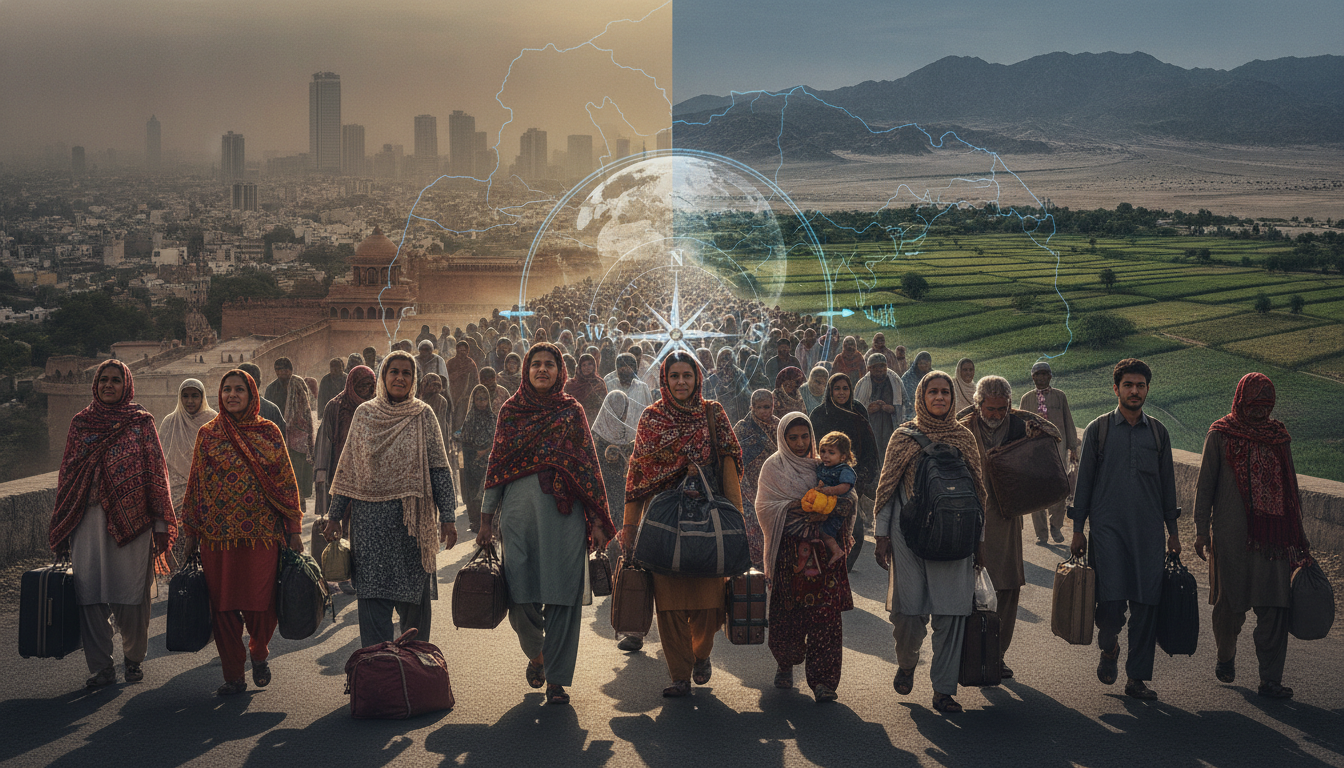
Introduction
Immigration in Pakistan is a complex legal and social subject shaped by border security concerns, regional migration pressures, and strict regulatory enforcement. The country’s immigration system is primarily designed to control undocumented migration, prevent human trafficking, regulate foreign nationals, and ensure lawful emigration of Pakistani citizens abroad.
The Federal Investigation Agency leads enforcement, while the Directorate General of Immigration & Passports under the Government of Pakistan manages policy and documentation services.
1. Overview of Immigration in Pakistan
Pakistan sits at a strategic geographical location, sharing borders with Afghanistan, Iran, China, and India. Due to this position, it has become both a transit and a destination country for migrants.
Key immigration concerns include:
- Undocumented migration across borders
- Human trafficking and migrant smuggling networks
- Visa overstays by foreign nationals
- Irregular labor migration of Pakistani workers abroad
- Refugee population management
The government maintains a strict legal framework with zero-tolerance enforcement policies for violations of illegal entry, stay, and cross-border movement.
2. Key Immigration Laws in Pakistan
Pakistan’s immigration system is governed by multiple laws that define entry, stay, citizenship, and exit procedures.
2.1 Prevention of Smuggling of Migrants Act, 2018
This law is the backbone of Pakistan’s anti-human trafficking enforcement system.
Key Features:
- Criminalizes human smuggling and trafficking networks
- Targets agents and organized criminal groups
- Provides strict punishments, including:
- Up to 14 years imprisonment
- Heavy fines up to PKR 2 million
- Covers both domestic and international smuggling operations
This law is widely used by the Federal Investigation Agency to prosecute traffickers.
2.2 Foreigners Act, 1946
This is the primary legal framework controlling foreign nationals in Pakistan.
Key Provisions:
- Entry, stay, and exit of foreigners
- Requirement of a valid visa and documentation
- Authority to detain or deport illegal residents
Penalties:
- Imprisonment up to 10 years for illegal entry or stay
- Fines and deportation
- Blacklisting for future entry
This law gives broad powers to immigration authorities for enforcement and surveillance.
2.3 Emigration Ordinance, 1979
This law regulates Pakistani citizens traveling abroad for employment.
Objectives:
- Protect workers from illegal recruitment agents
- Ensure legal employment contracts
- Regulate overseas job placement agencies
Key Requirements:
- Mandatory emigration clearance
- Licensing of recruitment agencies
- Government monitoring of the overseas employment process
It is designed to reduce the exploitation of workers in Gulf countries and Europe.
2.4 Pakistan Citizenship Act, 1951
This law defines citizenship status in Pakistan.
Citizenship is granted by:
- Birth in Pakistan (with conditions)
- Descent from Pakistani parents
- Naturalization under special cases
Key Limitations:
- Citizenship is rarely granted to foreigners
- Marriage to a Pakistani citizen does not guarantee citizenship
- Long-term residency does not automatically lead to permanent residency
Pakistan maintains a highly controlled naturalization system compared to many countries.
3. Major Immigration Issues in Pakistan
3.1 Undocumented Refugees and Migrants
Pakistan has hosted one of the largest refugee populations in the region, especially from Afghanistan.
Key challenges:
- Long-term undocumented settlement
- Pressure on public services and infrastructure
- Complex repatriation operations
- Diplomatic tensions during deportation campaigns
The government periodically conducts registration drives and repatriation initiatives through the Federal Investigation Agency and other agencies.
3.2 Human Trafficking and Illegal Migration Routes
Pakistan is both a source and transit country for human trafficking.
Common routes include:
- Illegal migration to Europe via Iran and Turkey
- Sea routes through the Arabian Sea
- Land routes across porous borders
Risks involved:
- Exploitation by traffickers
- Debt bondage
- Death during unsafe travel
- Fraudulent job offers abroad
Criminal networks often target vulnerable youth seeking better economic opportunities.
3.3 Visa Overstaying and Illegal Stay
Foreign nationals who overstay their visas face strict penalties.
Consequences:
- Arrest and detention
- Deportation
- Financial fines
- Blacklisting from re-entry
Pakistan uses immigration tracking systems to monitor visa validity and compliance.
3.4 Illegal Recruitment and Labor Migration Abuse
Many Pakistani workers are misled by unregistered agents promising overseas jobs.
Issues include:
- Fake job offers
- High recruitment fees
- Contract substitution abroad
- Lack of legal protection in destination countries
The Emigration Ordinance, 1979, attempts to regulate this system, but enforcement challenges remain.
4. Enforcement Institutions
4.1 Federal Investigation Agency (FIA)
The Federal Investigation Agency is the central enforcement body for immigration-related crimes.
Responsibilities:
- Border control enforcement
- Investigation of human trafficking cases
- Arrest of illegal migrants and smugglers
- Deportation operations
- Monitoring of visa violations
4.2 Directorate General of Immigration & Passports
This authority manages legal migration documentation.
Functions:
- Issuing passports
- Processing visas
- Managing citizenship-related documentation
- Maintaining immigration records
It ensures legal travel and identity verification systems across Pakistan.
5. Policy Challenges
Despite strict laws, several challenges persist:
- Weak border surveillance in remote regions
- Corruption among illegal recruitment agents
- Limited awareness among rural populations
- High unemployment is driving illegal migration
- Regional geopolitical instability
These factors contribute to continuous pressure on enforcement agencies.
6. Government Reforms and Improvements
Pakistan has introduced several reforms to strengthen immigration control:
- Digital passport and visa systems
- Biometric verification at borders
- Anti-trafficking task forces
- Awareness campaigns against illegal migration
- Strengthening international cooperation with destination countries
These measures aim to reduce illegal migration and improve border management efficiency.
7. Conclusion
Immigration in Pakistan is shaped by legal strictness, regional migration flows, and enforcement challenges. While the country has developed a strong legal framework through laws such as the Foreigners Act, 1946, and the Prevention of Smuggling of Migrants Act, 2018, practical enforcement remains difficult due to economic and geopolitical pressures.
The role of the Federal Investigation Agency and immigration authorities is crucial in maintaining border security, preventing trafficking, and regulating lawful migration.
A balanced approach that combines enforcement with awareness, legal migration pathways, and international cooperation is essential for long-term improvement.
8. Frequently Asked Questions (FAQ)
Q1: Which authority handles immigration enforcement in Pakistan?
The Federal Investigation Agency handles enforcement, investigations, and deportations related to immigration violations.
Q2: What happens if someone overstays their visa in Pakistan?
They may face fines, detention, deportation, and blacklisting under the Foreigners Act, 1946.
Q3: Can foreigners get Pakistani citizenship easily?
No. Citizenship is strictly regulated under the Pakistan Citizenship Act, 1951, and is granted only in special cases.
Q4: What is the biggest immigration issue in Pakistan?
Human trafficking and illegal migration through smuggling networks are among the most serious issues.
Q5: How does Pakistan prevent illegal migration abroad?
Through the Emigration Ordinance, 1979, licensing recruitment agencies, and monitoring overseas employment processes.
Need legal help?
Ask our AI assistant or connect with a verified Pakistani lawyer.
Get free legal helpStay ahead with legal insights.
Weekly digest: judgments worth reading, statute amendments, and one product update. No spam.