
Minority Rights Under Siege: The Plight of Ahmadiyya in Pakistan
A Persistent Challenge to Minority Rights The Ahmadiyya Muslim community in Pakistan continues to face systemic discrimination and persecution—a deeply concerning issue that highlights persistent challenges to Minority Rights and Human Rights within the country. Despite constitutional provisions for religious freedom, Ahmadis are subjected to legal and social ostracization. They are prohibited from identifying as […]
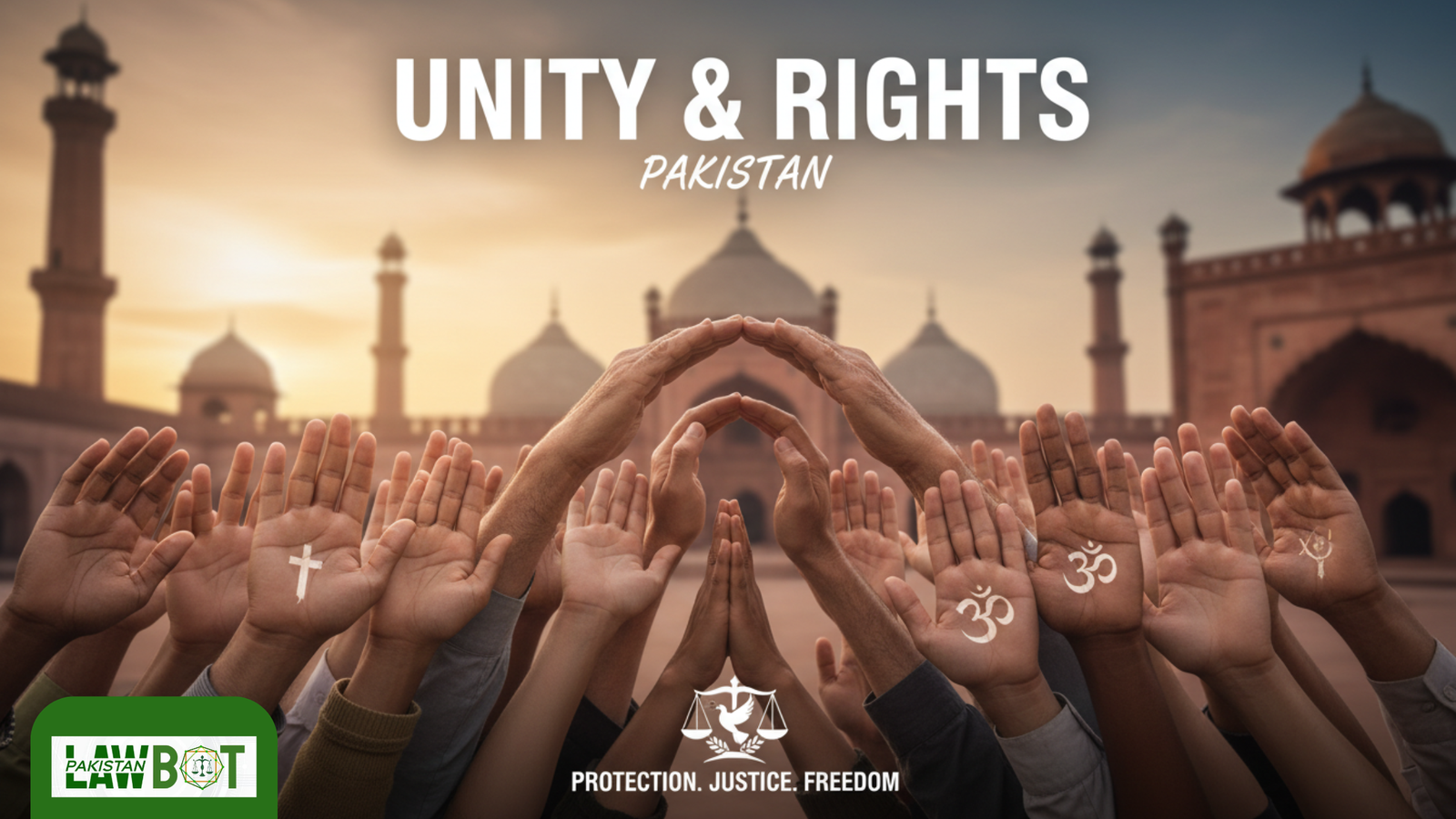
A Persistent Challenge to Minority Rights
The Ahmadiyya Muslim community in Pakistan continues to face systemic discrimination and persecution—a deeply concerning issue that highlights persistent challenges to Minority Rights and Human Rights within the country.
Despite constitutional provisions for religious freedom, Ahmadis are subjected to legal and social ostracization. They are prohibited from identifying as Muslims and face severe restrictions on their religious practices. This long-standing injustice has recently escalated, bringing the issue to the forefront of both national and international discussions.
Understanding the complexities of Pakistan’s discrimination requires examining its historical roots, the role of state institutions, and the mounting pressure from extremist elements that continue to worsen the situation. The struggle of the Ahmadiyya community remains a critical indicator of the state of religious freedom in Pakistan.
Historical Roots of Discrimination Against the Ahmadiyya Community
The legal foundation of discrimination against the #Ahmadiyya community in Pakistan was established through constitutional amendments and specific ordinances.
- 1974 – Second Constitutional Amendment:
Declared Ahmadis as non-Muslims under Pakistan’s Constitution. - 1984 – Ordinance XX:
Criminalized Ahmadis for “posing as Muslims” or “outraging Muslim feelings,” effectively restricting:- Use of Islamic terminology
- Public religious practice
- Referring to their places of worship as mosques
These laws institutionalized Pakistan discrimination, enabling widespread social prejudice, economic marginalization, and frequent violent attacks. They violate fundamental rights and contradict international religious freedom conventions to which Pakistan is a signatory.
Recent Developments and Escalating Tensions
In recent years, conditions for the #Ahmadiyya community have worsened significantly, making the issue a prominent concern in Pakistan’s human rights discourse.
Key Developments Include:
- Increased Registration of FIRs
A surge in First Information Reports filed against Ahmadis for practicing their faith, leading to arrests and prolonged legal battles. - Desecration of Graves and Worship Places
Extremist mobs have vandalized Ahmadiyya graves and demolished minarets and domes of their worship places—often with minimal law-enforcement intervention. - Judicial Pressure
While some courts provide relief, the judiciary frequently faces pressure from religious hardliners, influencing verdicts and reinforcing discriminatory practices. - Public Hate Campaigns
Organized campaigns by religious parties openly calling for social and economic boycotts of Ahmadis, further deepening their marginalization.
These developments reflect a deteriorating environment for #MinorityRights and #ReligiousFreedom, underscoring the urgent need for protective measures.
Judiciary and Minority Rights Commission Under Scrutiny
The roles of Pakistan’s judiciary and the Minority Rights Commission (MRC) in protecting the Ahmadiyya community remain under intense scrutiny.
While superior courts have occasionally demonstrated commitment to justice, they often operate under immense external pressure from extremist groups. This environment can result in rulings that uphold discriminatory laws or fail to protect Ahmadis effectively.
Challenges Facing the Minority Rights Commission:
- Limited Authority
The MRC lacks executive power to enforce its recommendations. - Weak Political Will
There is little appetite to challenge entrenched discriminatory laws and societal biases. - Fear of Backlash
Commissioners and judges may fear retaliation from powerful religious lobbies, affecting independent decision-making.
Despite these constraints, strengthening judicial independence and expanding the MRC’s mandate remain essential for advancing Human Rights and Religious Freedom.
International Implications and the Path Forward
The ongoing discrimination against the Ahmadiyya community has drawn sustained international attention. Organizations such as:
- Amnesty International
- Human Rights Watch
- U.S. Commission on International Religious Freedom (USCIRF)
regularly document and condemn the severe violations of Human Rights and Religious Freedom faced by Ahmadis in Pakistan.
Key Steps Forward:
- Repeal or Amend Discriminatory Laws
Particularly, the Second Amendment and Ordinance XX, which form the legal basis of persecution. - Judicial Reform
Ensuring judicial independence and protection from extremist pressure. - Public Awareness & Education
Countering hate speech and promoting tolerance through education and media. - International Engagement
Sustained diplomatic pressure to hold Pakistan accountable to its international obligations.
Conclusion
Safeguarding Minority Rights for the Ahmadiyya community is not solely about protecting one religious group—it is about upholding justice, equality, and religious freedom for all citizens of Pakistan. Addressing this issue is essential to restoring the country’s commitment to human dignity and the rule of law.
Need legal help?
Ask our AI assistant or connect with a verified Pakistani lawyer.
Get free legal helpStay ahead with legal insights.
Weekly digest: judgments worth reading, statute amendments, and one product update. No spam.