
Overseas Pakistanis Property Laws in Pakistan: Legal Guide for Buying and Protecting Property
Overseas Pakistanis play a crucial role in Pakistan’s economy through remittances and investments. Moreover, one of the most common investments made by Pakistanis living abroad is real estate in Pakistan. However, understanding Overseas Pakistanis' property laws is essential before purchasing, selling, or transferring property. Without proper legal knowledge, investors may face risks such as fraud […]
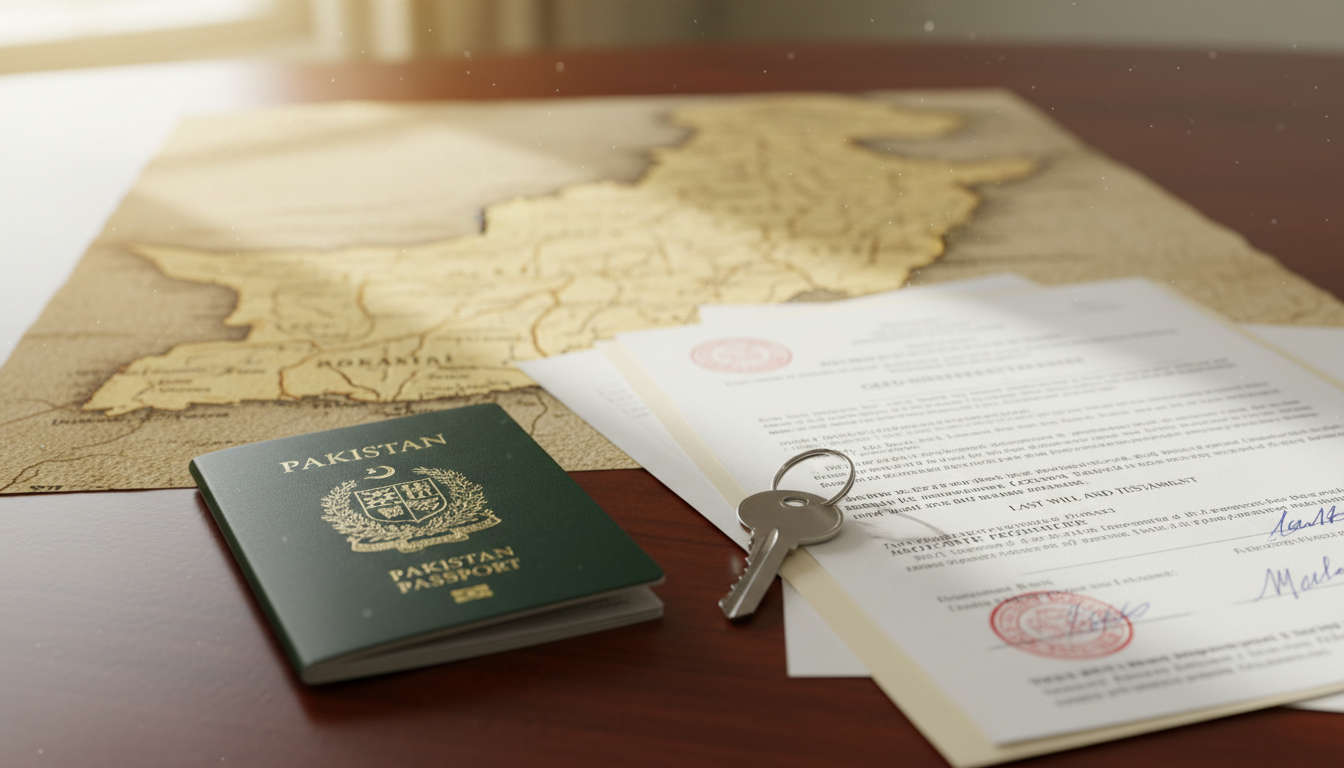
Overseas Pakistanis play a crucial role in Pakistan’s economy through remittances and investments. Moreover, one of the most common investments made by Pakistanis living abroad is real estate in Pakistan. However, understanding Overseas Pakistanis’ property laws is essential before purchasing, selling, or transferring property. Without proper legal knowledge, investors may face risks such as fraud or illegal possession.
This guide explains the legal framework, property ownership rights, documentation requirements, fraud prevention measures, and dispute resolution mechanisms for overseas Pakistanis investing in property in Pakistan. Furthermore, it provides practical steps to ensure secure transactions.
Overseas Pakistanis Property Laws in Pakistan
Pakistan’s legal system allows overseas Pakistanis to buy, sell, and inherit property in the country. Additionally, these rights are protected under various laws such as the Registration Act 1908, property transfer regulations, and special legislation designed to safeguard overseas investors.
In recent years, the government has introduced reforms to simplify property transactions and protect overseas Pakistanis from fraud and illegal possession. For instance, new measures allow property transactions to be processed through Pakistani embassies abroad, which makes the process easier for expatriates. (islamabadpost.com.pk)
These legal reforms aim to make property ownership both secure and accessible for the millions of Pakistanis living overseas. As a result, investment in real estate has become more attractive.
Who Are Considered Overseas Pakistanis?
An Overseas Pakistani is a Pakistani citizen or a person of Pakistani origin who lives outside Pakistan for employment, business, or permanent residence. Consequently, they enjoy certain legal privileges in property ownership.
Overseas Pakistanis may hold documents such as:
- Pakistani passport
- NICOP (National Identity Card for Overseas Pakistanis)
- POC (Pakistan Origin Card)
In addition, these identification documents allow overseas citizens to conduct legal transactions in Pakistan, including buying property, opening bank accounts, and signing legal documents.
Can Overseas Pakistanis Buy Property in Pakistan?
Yes, overseas Pakistanis are legally allowed to buy residential, commercial, and agricultural property in Pakistan. Moreover, this right extends to inheriting property as well.
The legal right to property ownership applies to:
- Houses and apartments
- Commercial buildings
- Agricultural land
- Plots in housing societies
Furthermore, the government has removed certain restrictions to encourage investment from overseas Pakistanis. For example, overseas Pakistanis are allowed to purchase property even if they are non‑filers of income tax, which was previously restricted in some cases. (dawn.com)
This policy was introduced to attract foreign investment and strengthen Pakistan’s real estate sector.
Legal Process for Overseas Pakistanis to Buy Property
Buying property in Pakistan as an overseas Pakistani involves several legal steps. Therefore, understanding this process helps prevent fraud and ensures compliance with property laws.
Step 1 – Verify Property Ownership
Before purchasing property, it is essential to verify the property’s legal status. This includes:
- Checking land records
- Confirming the seller’s ownership
- Verifying that the property is free from disputes
Additionally, you can verify property records through the provincial land record authorities, such as:
- Punjab Land Record Authority
- Sindh Land Record Authority
- Khyber Pakhtunkhwa Land Record Authority
Step 2 – Appoint a Legal Representative
Since overseas Pakistanis may not be physically present in Pakistan, they can appoint a Power of Attorney (POA) holder to manage property transactions. Consequently, this ensures smooth completion of legal procedures.
A Power of Attorney allows a trusted person in Pakistan to:
- Buy or sell property
- Sign legal documents
- Represent the owner in property registration offices
Previously, the POA had to be registered and sent to Pakistan for property transactions under Section 31 of the Registration Act 1908. (islamabadpost.com.pk)
Step 3 – Property Registration
Once the transaction is finalized, the property must be registered at the Sub-Registrar’s Office in the relevant district. In addition, proper registration legally protects the buyer’s ownership rights.
During registration, the following documents are typically required:
- Original property documents
- Identity documents of the buyer and the seller
- Power of attorney (if applicable)
- Payment receipts and stamp duty documentation
Registration legally transfers ownership to the buyer. Therefore, it is an essential step in property transactions.
New Legal Reforms for Overseas Pakistanis’ Property Transactions
Pakistan has recently introduced legal reforms to make property transactions easier for overseas Pakistanis. For example, overseas Pakistanis can now register property sale deeds through Pakistani embassies abroad instead of traveling to Pakistan. (thenews.com.pk)
Under this system:
- Overseas Pakistanis record their statements at the embassy
- The transaction is verified through NADRA biometric systems
- The buyer or seller in Pakistan completes the process at the registrar’s office
As a result, this reform significantly reduces travel costs, delays, and legal complications.
Property Protection Laws for Overseas Pakistanis
Property fraud and illegal possession have historically been major concerns for overseas Pakistanis. Therefore, Pakistan has introduced stronger legal protections.
Special Courts for Overseas Pakistanis Property Disputes
In 2024, Pakistan passed legislation establishing special courts to resolve property disputes involving overseas Pakistanis.
These courts offer several advantages:
- Cases resolved within 90 days
- Online filing of complaints
- Video‑link hearings for overseas petitioners
Consequently, the law ensures quick and transparent resolution of disputes related to ownership, possession, and property transfer. (pid.gov.pk)
Government Protection Initiatives
The government has also emphasized protecting the property rights of overseas Pakistanis. For instance, authorities have directed officials to ensure that complaints regarding illegal occupation or encroachment on overseas Pakistanis’ property are resolved quickly. (samaa.tv)
These steps aim to create a safer environment for overseas investment. Furthermore, they enhance investor confidence in Pakistan’s real estate market.
Common Property Issues Faced by Overseas Pakistanis
Despite legal protections, overseas Pakistanis still face several challenges when investing in property.
Property Fraud
Fraudulent property schemes and fake documentation are common risks in the real estate market. For example, selling property without legal ownership or selling the same property to multiple buyers.
Therefore, due diligence and legal verification are essential to avoid such scams.
Illegal Possession (Kabza)
Illegal possession, commonly known as “Kabza”, is another major issue faced by overseas property owners. Consequently, legal action through courts or special tribunals is usually required to recover such property.
Documentation Issues
Many overseas Pakistanis experience problems due to incomplete documentation, including:
- Missing transfer records
- Unregistered property agreements
- Invalid power of attorney
Hence, working with experienced property lawyers helps minimize these risks.
Tips for Overseas Pakistanis Buying Property in Pakistan
To ensure a safe investment, overseas Pakistanis should follow these precautions.
Verify Housing Societies
Always confirm that the housing society is approved by the relevant authorities, such as:
- Development authorities
- Local municipal authorities
- Land record departments
In addition, check online reviews or legal reports to ensure legitimacy.
Hire a Property Lawyer
A professional property lawyer can:
- Verify ownership documents
- Draft sale agreements
- Ensure compliance with property laws
Consequently, legal guidance significantly reduces the chances of fraud.
Use Secure Payment Channels
Always transfer money through official banking channels. Moreover, avoid cash transactions or payments through unknown agents.
Conclusion
Overseas Pakistanis have the legal right to buy, sell, and inherit property in Pakistan, and recent legal reforms have made the process easier and more secure. Moreover, embassy-based property registration and special courts for property disputes safeguard investors against fraud and legal complications.
However, overseas investors must still exercise caution by verifying property documents, hiring professional legal assistance, and following proper registration procedures. In conclusion, with the right legal guidance and awareness of Overseas Pakistanis’ property laws, expatriates can safely invest in Pakistan’s real estate market while protecting their valuable assets.
Need legal help?
Ask our AI assistant or connect with a verified Pakistani lawyer.
Get free legal helpStay ahead with legal insights.
Weekly digest: judgments worth reading, statute amendments, and one product update. No spam.