
Deepfakes in Pakistan: Legal Risks and Consequences
IntroductionArtificial Intelligence (AI) has transformed the digital world, making content creation faster and more accessible than ever before. One of the most controversial developments in AI techno
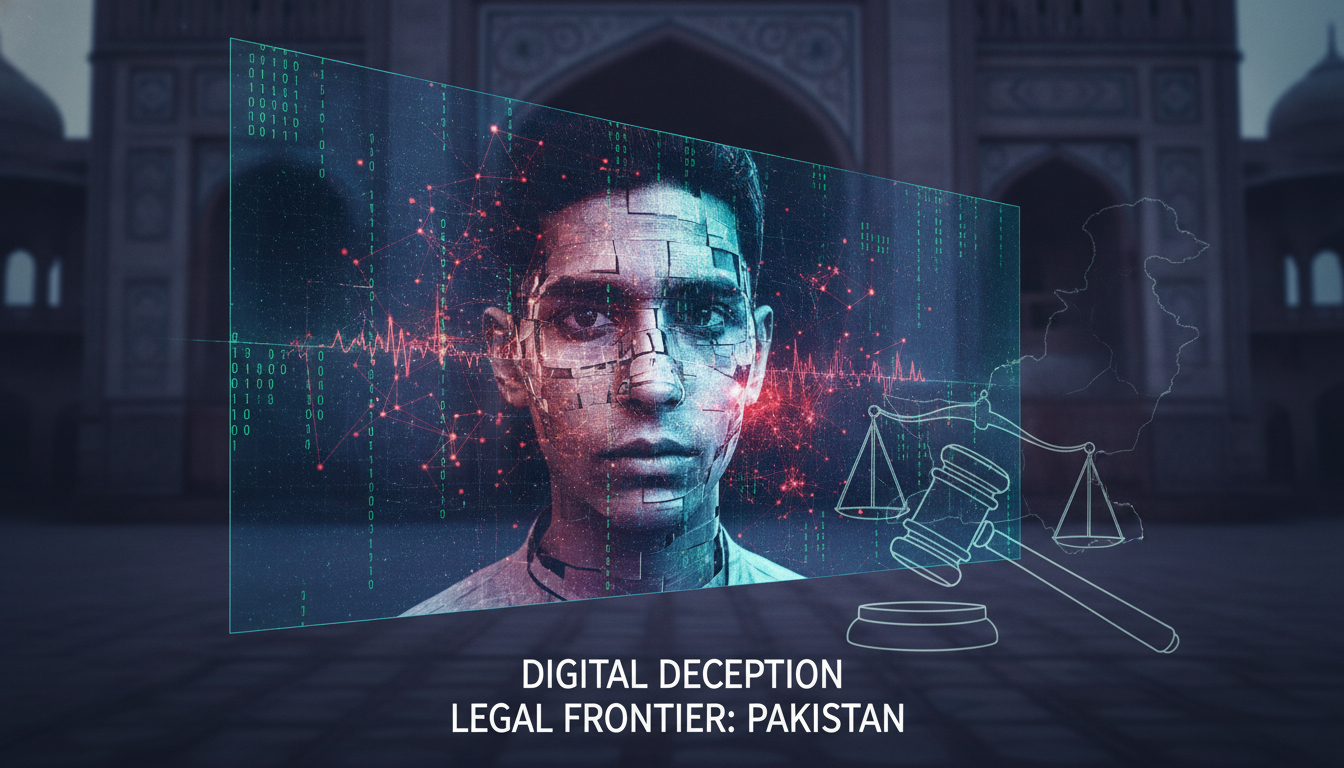
Deepfakes are AI-generated fake videos, images, or audio. In Pakistan, there is no specific deepfake law, but using them for harassment, fraud, impersonation, defamation, or privacy violations can lead to legal action under cybercrime and criminal laws.
Introduction
Artificial Intelligence (AI) has transformed the digital world, making content creation faster and more accessible than ever before. One of the most controversial developments in AI technology is the rise of deepfakes. Deepfakes are digitally manipulated videos, images, or audio recordings that use artificial intelligence to create highly realistic but fake content.
While deepfake technology has legitimate uses in entertainment, education, and marketing, it has also become a powerful tool for misinformation, fraud, identity theft, cyber harassment, and reputational damage. As deepfake incidents continue to increase globally, concerns regarding their legal implications in Pakistan are also growing.
This article explores the legal risks associated with deepfakes, the laws that may apply to their creation and distribution in Pakistan, and the remedies available to victims.
What Are Deepfakes?
Deepfakes are synthetic media generated using artificial intelligence and machine learning algorithms. These technologies can manipulate videos, images, and audio recordings to make them appear as though a person said or did something that never actually occurred.
Modern deepfake tools can produce highly convincing content, making it increasingly difficult for ordinary users to distinguish between authentic and fabricated media.
Common examples include:
Fake celebrity videos
Manipulated political speeches
Fabricated news content
Non-consensual explicit content
Voice cloning scams
Identity impersonation on social media
As AI technology becomes more accessible, the misuse of deepfakes presents significant legal and social challenges.
Why Deepfakes Are a Growing Concern in Pakistan
Pakistan has witnessed rapid growth in internet usage, social media adoption, and digital communication. Platforms such as Facebook, Instagram, TikTok, X (formerly Twitter), and WhatsApp have become primary sources of information and communication.
Unfortunately, these platforms can also facilitate the rapid spread of manipulated content.
Deepfakes can be used to:
Damage an individual's reputation
Influence public opinion
Harass or blackmail victims
Spread political misinformation
Commit financial fraud
Create fake evidence in disputes
The viral nature of social media means that a single deepfake video can reach millions of users within hours, causing irreversible harm.
For related legal issues, see our guide on Digital Evidence in Pakistan: Are Screenshots Enough in Court?
Are Deepfakes Illegal in Pakistan?
Pakistan currently lacks a dedicated law specifically regulating deepfakes. However, various existing laws may apply depending on the nature and purpose of the manipulated content.
Individuals involved in creating, distributing, or sharing harmful deepfakes may face legal consequences under cybercrime, criminal, and civil laws.
The legality of a deepfake depends on factors such as:
The intent behind the creation
Harm caused to victims
Nature of the content
Whether consent was obtained
Whether fraud, harassment, or defamation occurred
Deepfakes and the Prevention of Electronic Crimes Act (PECA)
The Prevention of Electronic Crimes Act, 2016 (PECA) serves as Pakistan's primary cybercrime legislation.
Several provisions of PECA may become relevant when deepfakes are used unlawfully.
Identity Theft and Impersonation
Creating a deepfake that falsely represents another person may constitute impersonation or identity theft.
For example:
Creating a fake video of a public figure
Cloning someone's voice for fraudulent purposes
Using manipulated content to deceive others
Such actions may attract criminal liability under PECA.
Online Harassment and Blackmail
Deepfakes are increasingly used to harass individuals, particularly women.
Examples include:
Fake intimate videos
Morphed photographs
Threats to publish manipulated content
Digital blackmail schemes
Such conduct may amount to cyber harassment and may lead to criminal prosecution.
Unauthorized Use of Personal Data
Using someone's photographs, videos, or voice recordings without permission to generate deepfake content may also raise privacy concerns under applicable cybercrime laws.
Deepfakes and Defamation Laws in Pakistan
One of the most common legal issues associated with deepfakes is defamation.
Defamation occurs when false statements or content damage a person's reputation.
A deepfake video portraying an individual engaging in criminal, immoral, or unethical behavior can cause significant reputational harm.
Victims may pursue legal remedies if:
The content is false
The content was published or shared
Reputation has been damaged
Defamation claims may arise under both civil and criminal legal frameworks depending on the circumstances.
For further reading, see our article on Defamation Laws in Pakistan: Legal Rights and Remedies.
Deepfakes and Privacy Violations
Privacy rights are increasingly important in the digital age.
Deepfakes often involve the unauthorized use of a person's:
Image
Voice
Identity
Personal information
Victims may experience emotional distress, reputational damage, and professional consequences.
Women and public figures are particularly vulnerable to privacy violations involving AI-generated content.
The unauthorized creation or dissemination of deepfake content may expose perpetrators to legal action and financial liability.
Can Deepfakes Be Used as Evidence in Court?
Courts generally require evidence to be authentic, reliable, and verifiable.
A deepfake video may not automatically be accepted as evidence simply because it appears genuine.
Courts may consider:
Digital forensic analysis
Metadata examination
Expert testimony
Source verification
Chain of custody
Where authenticity is disputed, forensic experts may be required to determine whether content has been manipulated.
This highlights the growing importance of digital forensics in modern litigation.
Legal Consequences of Creating or Sharing Deepfakes
Many people assume that only the creator of a deepfake faces liability. However, individuals who knowingly share harmful manipulated content may also face legal risks.
Potential consequences may include:
Criminal Liability
Individuals may face criminal investigations where deepfakes are used for:
Harassment
Fraud
Blackmail
Impersonation
Cybercrime activities
Civil Liability
Victims may seek:
Damages
Compensation
Injunctions
Removal of content
Reputational Consequences
Even where criminal prosecution does not occur, individuals may suffer:
Loss of employment
Business losses
Social stigma
Professional disciplinary action
What Should You Do If You Become a Victim of a Deepfake?
If you discover that a deepfake has been created using your identity, immediate action is essential.
Preserve Evidence
Take screenshots and save:
URLs
Social media profiles
Messages
Videos
Images
Report the Content
Most major platforms provide reporting mechanisms for manipulated media and impersonation.
File a Complaint
Victims may consider filing complaints with relevant authorities, including cybercrime investigation agencies.
Seek Legal Advice
Consulting a qualified lawyer can help determine:
Available legal remedies
Potential claims
Urgent court relief options
Early legal intervention often improves the chances of limiting damage.
The Future of Deepfake Regulation in Pakistan
As artificial intelligence continues to evolve, lawmakers worldwide are considering specific regulations for deepfake technology.
Pakistan may eventually introduce dedicated legal frameworks addressing:
AI-generated misinformation
Synthetic media disclosure requirements
Digital identity protection
Deepfake-related cybercrime offenses
Stronger digital literacy and public awareness will also play an important role in reducing the risks associated with manipulated media.
Conclusion
Deepfake technology presents one of the most significant legal and ethical challenges of the digital era. While Pakistan does not yet have legislation specifically targeting deepfakes, existing laws relating to cybercrime, harassment, privacy, impersonation, and defamation may apply depending on the circumstances.
Individuals should exercise caution before creating or sharing AI-generated content involving other people. Likewise, victims of deepfakes should act quickly to preserve evidence and seek appropriate legal remedies.
As artificial intelligence becomes more sophisticated, understanding the legal risks and consequences of deepfakes will become increasingly important for individuals, businesses, and policymakers across Pakistan.
Need legal help?
Ask our AI assistant or connect with a verified Pakistani lawyer.
Get free legal helpStay ahead with legal insights.
Weekly digest: judgments worth reading, statute amendments, and one product update. No spam.